New Eltham SE9 Carpet Cleaning Guide for Terrace Homes
If you live in a terrace home in New Eltham SE9, carpet care can feel like one of those jobs that never quite stays finished. Front rooms get day-to-day foot traffic, hall runners collect grit, and stairs seem to attract every bit of dust from the street. Add pets, school shoes, a spill or two, and suddenly the carpet is doing a lot more work than it should. This New Eltham SE9 carpet cleaning guide for terrace homes is designed to make the whole process easier to understand, whether you want to freshen things up yourself or decide when it makes sense to book professional help.
Terrace properties have their own quirks. Narrow staircases, compact rooms, older floor coverings, and limited drying space all change the way you should clean. The good news? With the right approach, you can get much better results, avoid common mistakes, and keep carpets looking decent for longer. Let's walk through it properly.
Contents
- Why this matters in New Eltham SE9 terrace homes
- How the cleaning process works
- Key benefits and practical advantages
- Who this is for and when it makes sense
- Step-by-step guidance
- Expert tips for better results
- Common mistakes to avoid
- Tools, resources and recommendations
- Law, compliance and best practice
- Options and comparison table
- Case study or real-world example
- Practical checklist
- Conclusion
- Frequently asked questions
Why New Eltham SE9 Carpet Cleaning Guide for Terrace Homes Matters
Terrace homes are often cosy, practical, and full of character, but carpet cleaning in these properties is rarely straightforward. Rooms can be smaller, access is tighter, and the carpet may run from hallway to stairs to bedroom without much break in between. That means dirt spreads more easily and often settles in the same high-traffic paths.
In a terrace, carpets also tend to show wear more clearly. You notice the flattened stair tread, the dark edge near the skirting board, the faint odour that seems to come back on damp days. It is not just about appearance either. Regular carpet maintenance helps reduce embedded grit, which can gradually damage fibres, and it can make a real difference to everyday comfort.
There is also a local practical angle. New Eltham SE9 homes often deal with wet shoes, garden soil, pollen, and the usual London grime that gets walked in without anyone noticing. Truth be told, most people only see the buildup when the sun hits the room at 4pm and suddenly the carpet looks a shade different. That is usually your cue.
Expert summary: In terrace homes, the best carpet cleaning approach is the one that balances soil removal, fast drying, and minimal disruption. The cleaner the process, the less chance of over-wetting, residue, or awkward drying in tight indoor spaces.
How New Eltham SE9 Carpet Cleaning Guide for Terrace Homes Works
Carpet cleaning is not just "put shampoo down and scrub." A proper clean usually follows a sequence: inspection, vacuuming, stain treatment, deep cleaning, extraction or drying, and then post-clean grooming. The exact method depends on the carpet fibre, how dirty it is, and how much moisture the room can comfortably handle.
For terrace homes, the process needs a bit more care. Narrow stairs make it harder to move equipment. Small hallways can trap humidity. Bedrooms and front rooms may have furniture packed in tightly. So the cleaner has to think ahead: where will the machine sit, how will hoses run, how long will the carpet need to dry, and which areas need special attention?
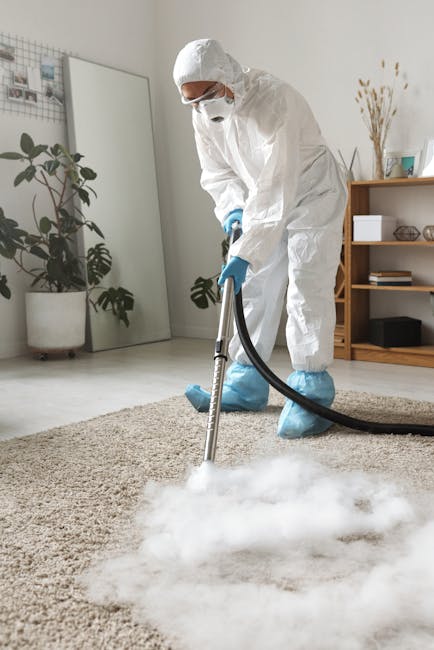
When using hot water extraction or steam carpet cleaning, the carpet is first pre-treated, then rinsed and extracted. The aim is to lift soil from deep in the pile without leaving excess moisture behind. For delicate fibres or lightly soiled carpets, low-moisture methods may be more suitable. It depends. There is no one-size-fits-all answer, no matter how tidy the sales pitch sounds.
If you want a broader overview of professional options, the carpet cleaning service information and the dedicated steam carpet cleaning page can help you compare approaches in plain English.
Key Benefits and Practical Advantages
The obvious benefit is cleaner carpets. But the real value goes a bit deeper than that. A well-cleaned carpet makes a room feel fresher, brighter, and less tired. In a terrace home, where rooms often connect closely and smells travel quickly, that fresh feeling matters more than people think.
- Better appearance: revived pile, cleaner traffic lanes, improved colour depth.
- Reduced dust and grit: helpful for keeping fibres from wearing out too quickly.
- Improved odour control: especially useful where pets, cooking smells, or damp shoes are part of daily life.
- More comfortable living spaces: carpets feel softer and less sticky underfoot after a proper clean.
- Cleaner stairs and landings: these high-use spots are often the first to look shabby.
There is also the practical side. If you are thinking about selling, letting, or simply getting the house in shape for family visits, carpets are one of the first things people notice, even if they do not say it out loud. Nobody wants to compliment the skirting boards instead of the living room, let's be honest.
For homes with mixed flooring or upholstered furniture, combining services can make sense. Many terrace owners pair carpet care with upholstery cleaning, sofa cleaning, or even rug cleaning so the whole room feels consistent rather than half-done.
Who This Is For and When It Makes Sense
This guide is for anyone in a New Eltham SE9 terrace home who wants cleaner carpets without guesswork. That might be a busy family with children running in and out, a couple with a staircase that gets heavy use, a landlord preparing for new tenants, or a homeowner who is simply fed up with the patch near the sofa.
It makes sense to act sooner rather than later if you notice any of the following:
- visible dirt or darkened traffic paths
- pets tracking in mud or leaving odours behind
- spill marks that keep returning after spot cleaning
- stale or musty smells after rain
- flattened carpet pile on stairs and hallways
- allergy concerns or extra dust in the room
Some people wait until the carpet looks obviously bad. Fair enough, but by then the fibres are often holding more soil than they should. Cleaning earlier is usually easier, quicker, and less stressful. In a terrace, where rooms are close together and daily life is constant, that can save a lot of hassle.
If your issue is a specific mark or accidental spill, it may be worth looking at targeted stain removal rather than a full clean right away. And if the problem is pet-related, pet stain and odour removal is usually the smarter route.
Step-by-Step Guidance
Here is a straightforward way to approach carpet cleaning in a terrace home. This is practical, not precious. A bit of common sense goes a long way.
- Start with a room-by-room assessment. Check where the worst wear is, where stains are located, and which areas dry slowly. Hallways and stairs usually need the most attention.
- Vacuum thoroughly. Slow, overlapping passes work better than a quick once-over. Get into edges and along the stair nosings where dust loves to sit.
- Test any spot treatment first. Even mild cleaning products can affect colour or texture on some carpets. A hidden corner is the place to check.
- Treat stains before the main clean. Fresh marks are easier than old ones. Blot, do not rub. Rubbing just spreads the mess and pushes it deeper. Annoying, but true.
- Choose the right method. Hot water extraction works well on many synthetic carpets. Lower-moisture options may suit tighter rooms or more delicate fibres.
- Clean in sections. Terrace homes often have rooms linked by narrow doors and stairs, so sectioning helps avoid missed patches and over-wetting.
- Extract moisture properly. This is where good results are won or lost. Too much water can leave the carpet damp longer than you want.
- Groom the pile and ventilate the room. Open windows if the weather allows, use airflow, and keep foot traffic light while the carpet dries.
If the carpet is heavily soiled, the stair carpet is awkward to access, or there are multiple stains of unknown origin, professional cleaning is often the safer option. A good result should look even, feel clean, and dry within a sensible timeframe. If it stays soggy, something went wrong somewhere.
Expert Tips for Better Results
Small details make a big difference. In terrace homes especially, the room layout and access can affect the final finish more than people realise.
- Focus on traffic lanes first. These are the areas that hold the most grit and usually respond best to a pre-treatment.
- Use less product, not more. Over-applying cleaning solution can leave residue that attracts dirt later.
- Keep an eye on drying conditions. A breezy, mild day is much better than a stuffy evening with every door shut.
- Move furniture only when needed. In small terraces, over-moving heavy items can create more damage than benefit.
- Check stair edges and corners carefully. That is where lingering dust and marks hide.
- Ask about the carpet fibre before choosing a method. Wool, synthetic, and blended carpets do not always behave the same way.
One little habit that helps a lot: place mats at entrances and give shoes a proper wipe before they go upstairs. It sounds almost too simple, but it genuinely reduces how fast the carpets get dirty. Boring advice, yes. Effective, also yes.
If you are comparing wider home cleaning options, some terrace owners also combine carpet work with curtain cleaning or even mattress cleaning so allergens and odours are tackled across the house rather than in one room only.
Common Mistakes to Avoid
The most common carpet-cleaning mistakes are usually about impatience. People rush, use too much liquid, or try to remove a stain with the wrong method. We have all been there, staring at a mark and thinking, "I'll just sort that now." Then it spreads. Lovely.
- Rubbing stains aggressively: this can spread the mark and distort the pile.
- Soaking the carpet: too much water can leave odour, slow drying, and even wick stains back to the surface.
- Using random household products: some can bleach, set stains, or leave sticky residue.
- Skipping vacuuming before cleaning: loose grit turns into mud once moisture is added.
- Ignoring the underlay or subfloor: hidden moisture can cause bigger problems later.
- Cleaning only the visible spot: this often leaves a halo or patchy finish.
Another one: cleaning on a day when the house is shut up tight. In a terrace, airflow matters. If you have the option, open what you can safely open and keep the air moving. It is a small thing, but it helps.
Tools, Resources and Recommendations
You do not need a van full of equipment to maintain carpets well, but a few reliable basics make life easier. The goal is not to collect gadgets. The goal is to make cleaning quicker, safer, and less of a drama.
| Option | Best for | Pros | Things to watch |
|---|---|---|---|
| Regular vacuuming | Weekly maintenance in busy terraces | Prevents grit build-up, low cost, easy to keep up | Needs consistency; does not remove deep staining |
| Spot treatment | Fresh spills and isolated marks | Fast, targeted, useful between deep cleans | Test first; overuse can leave residue or light patches |
| Hot water extraction | General deep cleaning | Strong soil removal, widely used, good for refreshing pile | Requires correct drying and the right carpet type |
| Low-moisture cleaning | Delicate carpets or tight access areas | Faster drying, often useful in compact terraces | May not suit heavy soiling as well as extraction |
| Professional inspection | Stains, odours, stairs, mixed fibres | Better method matching, fewer mistakes, more even results | Choose a provider that explains the process clearly |
When choosing a provider, look for clear pricing, sensible expectations, and straightforward communication. The pricing and quotes page is a useful place to understand how jobs may be assessed, and the insurance and safety information is worth checking if you want extra reassurance.
If sustainability matters to you, there is also value in seeing how a company handles waste water, product choice, and reuse where appropriate. The recycling and sustainability page can be a good signal that those concerns are taken seriously.
Law, Compliance, Standards, or Best Practice
For most homeowners, carpet cleaning is a practical household task rather than a regulated project. Still, there are sensible standards worth following. In the UK, cleaners working in homes should use safe products, avoid unnecessary slip hazards, and handle equipment carefully around stairs, sockets, and furnishings.
From a best-practice point of view, you should expect:
- clear explanation of the cleaning method
- careful handling of water, cords, and equipment in the home
- reasonable steps to prevent over-wetting
- respect for surfaces, paintwork, and furniture
- honest guidance if a stain cannot be fully removed
It is also sensible to read the company's health and safety policy and terms and conditions before booking. That is not being fussy. It is just a clean way to avoid misunderstandings later.
Privacy and payment handling matter too, especially when you are booking online. If that is important to you, the site's payment and security and privacy policy pages are worth a quick look.
Options, Methods, or Comparison Table
Terrace homes in SE9 usually benefit from one of three main approaches. The right choice depends on carpet type, access, drying time, and how deep the soil goes.
| Method | Best use case | Drying time | General note |
|---|---|---|---|
| Vacuum and spot clean | Light maintenance between deeper cleans | Very fast | Good for keeping carpets tidy, not a full refresh |
| Steam or hot water extraction | Average to heavy soiling, traffic areas, stairs | Moderate, depending on airflow | Strong all-round option if the carpet can handle moisture |
| Low-moisture cleaning | Delicate fibres, small rooms, faster turnaround | Usually quicker | Often useful in compact terrace homes where drying space is limited |
Which one is best? It depends on the carpet and the home, not just the label on the machine. If you are unsure, that is normal. A proper inspection should clear it up quickly enough.
Case Study or Real-World Example
A typical terrace-home scenario in New Eltham SE9 goes something like this. A family notices the hallway carpet looking tired, the stairs have a greyish line down the middle, and the living room smells a bit "closed in" after a wet week. Nothing dramatic. Just one of those slow-burn problems that sneaks up on you.
The first step is to identify the highest-traffic zones and any specific stains. In this kind of home, the hallway and stairs usually need more attention than the bedrooms. A careful vacuum, pre-treatment on the traffic lanes, and a suitable deep-clean method can make a noticeable difference. The room often looks brighter straight after, but the real test is the next morning, when the carpet has dried and the fibres have settled again.
What tends to surprise people most is how much fresher the whole house feels once the stair carpet and front room are done together. Not glamorous, but genuinely satisfying. You walk in, and the place just feels easier to live in.
In cases where the living room sofa also carries the same everyday wear, it often makes sense to refresh it at the same time with sofa cleaning. That way, the room does not have one clean surface and one tired-looking one. A little balance goes a long way.
Practical Checklist
Use this checklist before and after carpet cleaning in a terrace home. It keeps things simple, which is often exactly what you need.
- Vacuum all carpeted areas slowly and thoroughly
- Check for stains, odours, and worn paths before starting
- Test any spot treatment in a discreet area first
- Choose a method suitable for the carpet fibre
- Avoid soaking the pile
- Keep stair edges and corners in view
- Improve airflow where possible during drying
- Limit foot traffic until the carpet is dry
- Inspect the result in daylight if you can
- Make a note of any stain that may need a second pass
If your home has multiple soft furnishings, you may also want to look at related care such as upholstery cleaning or curtain cleaning. Sometimes the whole room benefits more than one item does on its own.
Conclusion
Carpet cleaning in a New Eltham SE9 terrace home is all about matching the method to the property. Small rooms, narrow stairs, everyday mud, pets, and limited drying space can make the job trickier than it first appears, but none of that is a deal-breaker. With sensible preparation, the right technique, and a bit of patience, carpets can look fresher and last longer.
The main thing is not to treat every carpet the same way. A hallway runner, a stair carpet, and a bedroom pile all ask for slightly different care. Once you get used to that, everything becomes easier. And cleaner, obviously.
Get a free quote today and see how much you can save.
If you are still weighing things up, start with the basics, ask clear questions, and choose the option that feels safe, practical, and honest. That usually gets you to the right result without any drama.
Frequently Asked Questions
How often should carpets be cleaned in a terrace home?
For most terrace homes, a proper deep clean every 6 to 12 months is a sensible benchmark, with vacuuming much more often. High-traffic stairs or homes with pets may need attention sooner.
Is steam carpet cleaning safe for all carpets?
Not always. Steam or hot water extraction works well on many synthetic carpets, but delicate fibres and some older carpets may need a gentler method. A quick fibre check matters more than people think.
What is the best way to clean stairs in a terrace house?
Stairs usually need careful vacuuming, targeted pre-treatment, and a method that avoids leaving too much moisture behind. Because they are narrow and heavily used, they benefit from slower, more detailed work.
Can I remove old stains myself?
Sometimes, yes, especially if the stain is superficial. But older stains can bond to the fibre or backing, and the wrong product can make things worse. If a mark keeps coming back, professional stain removal is often the better route.
Why does my carpet smell worse after cleaning?
That usually points to too much moisture, trapped residue, or a stain that has not been fully treated. Good drying and proper extraction are key, particularly in smaller terrace rooms where airflow is limited.
Do I need professional cleaning if I vacuum regularly?
Yes, usually. Vacuuming handles loose dirt, but it does not remove everything embedded in the pile. Deep soil, stains, and odours often need a more thorough clean.
How long should a carpet take to dry?
Drying time depends on the method, pile type, weather, and ventilation. In a terrace home, it can vary more than people expect. A good cleaner should explain the likely drying window before starting.
What should I do before a cleaner arrives?
Clear smaller items from the floor, point out stains, mention pets or allergies, and make sure access routes are open. A little prep saves time and usually improves the result.
Are there special concerns in older terrace homes?
Yes. Older carpets, uneven underlay, and tighter stair layouts can mean more care is needed with moisture and equipment movement. Older homes often benefit from a gentler, more considered approach.
Can carpet cleaning help with allergies?
It can help reduce dust, grit, and some allergens trapped in the fibres, though it is not a medical treatment. Regular cleaning, along with good ventilation and vacuuming, is the practical combination most households rely on.
Should I clean carpets before or after decorating?
If you are redecorating, it is usually better to leave the final carpet clean until after the messy work is finished. Paint dust and plaster residues have a way of undoing good work very quickly.
How do I know if a cleaning company is trustworthy?
Look for clear communication, sensible advice, visible policies, and straightforward pricing. Pages such as about the company, insurance and safety, and complaints procedure can tell you a lot about how a business operates.